
FlowForge
Guia de bomba de poço: submersa, jato e booster
Como escolher a bomba para um poço perfurado ou escavado: submersa para poço profundo, jato para poço raso ou profundo, ou booster de superfície. Este guia trata a profundidade e o rebaixamento, a vazão frente à altura, o diâmetro do revestimento, o tanque e o pressostato, a areia e o funcionamento a seco, os materiais e a ligação do motor. É uma página de fornecimento, não uma loja.
What a well pump does
Lifting groundwater into a pressure system
It draws clean groundwater from a drilled, driven or dug well and delivers it to a pressure tank, a house, a trough or an irrigation line. Typical uses are domestic water supply, farm and livestock water, small irrigation and light commercial supply.
Clean water, not wastewater
Groundwater carries little solids, so the pump is built for clear water and fine sand at most. For wastewater see the sewage pump guide, the effluent pump page and the grinder pump page; for muddy site water see the trash pump page.
Submersible, jet and booster
Submersible deep-well
The pump and motor sit below the water level in the casing and push water up the drop pipe. It does not rely on suction, so it suits deep wells (see the deep well pump page), is quiet and is usually more efficient at depth. The in-water motor is cooled by the passing flow. For the sewage form of this layout see the submersible sewage pump page.
Jet (shallow and deep-well)
The pump stays above ground and uses an ejector to draw water up. It is simple to service but limited by suction lift and noisier. The jet pump guide covers the ejector, and the shallow well pump page covers priming, the foot valve and suction limits.
Booster and surface centrifugal
A surface pump can lift from a shallow source or raise pressure from a tank or cistern. It needs a short, airtight suction line, and pressure boosting from a tank is on the booster pump page. Our transfer line lists centrifugal, self-priming and multistage SKUs for this kind of duty.
Positive displacement options
Some low-yield wells use a slow-stroke or screw pump. Where the liquid is thick or abrasive, an air-operated diaphragm pump or a progressive cavity pump may fit better than a centrifugal stage stack.
Well depth, drawdown, flow and head
Most selection mistakes come from guessing the well data. Ask for the driller report where one exists.
Static and dynamic water level
The static level is the water depth with the pump off. The dynamic level is the depth while pumping. The gap between them is the drawdown, and it grows with flow.
Well yield
The pump must not take more water than the well recovers, or the level falls to the intake and the pump runs dry. Match the flow to the tested yield, with a margin.
Total head
Head is the lift from the dynamic level to the discharge point, plus the height to the tank or outlet, pipe friction and the pressure you want at the tap. State it in meters or feet, and the flow at that head.
Flow-head curve
Read the pump curve at the real operating point. A multistage submersible has a steep curve, so flow falls quickly if head is underestimated. Do not pick on flow alone.
Casing diameter and setting depth
The pump must fit the casing with clearance for cable and drop pipe. Set it well below the dynamic level so the intake stays covered, and above the bottom so it does not pick up silt.
Water quality
Sand, silt, iron, acidity and chlorides all affect stages, seals and materials. Send a water test if you have one.
Pressure tank, switch and controls
Pressure tank
A tank stores water and keeps the pump from starting every time a tap opens. A larger usable volume means fewer starts per hour, which protects the motor. Size it from the pump flow and the cycling you accept.
Pressure switch
The switch starts the pump at the cut-in pressure and stops it at cut-out. The gap between them sets the drawdown volume in the tank. Say the pressures you need.
Check valve and relief
A check valve keeps the column of water from falling back into the well. A relief valve protects the system if the switch fails. Position and number of check valves depend on well depth.
Constant pressure
Some systems use a variable-speed controller to hold pressure with a small tank. It is an option to ask about at quote stage, not a catalog item.
Motor wiring, sand and dry-run protection
2-wire and 3-wire motors
A 2-wire motor has its starting parts inside and needs no control box, which keeps wiring simple. A 3-wire motor uses an above-ground control box with the start capacitor, so parts can be serviced without pulling the pump. Say which you need, with voltage and frequency.
Dry-run protection
Running without water overheats the motor and wears the stages. Options include a level probe, an under-load relay that senses low current, and a float in a tank. Ask for it on any well with uncertain yield.
Sand and sediment tolerance
Sand erodes impellers and bearings. Some stage designs tolerate more fine sand than others. A screen, a clean well and the right setting depth help, but ask for the limit that applies to the model.
Cable and surge
Cable size sets voltage drop over long runs. Surge arresters help in storm-prone areas. Give the cable length from the control point to the pump.
Materials
Stainless steel is common for shells and stages, and thermoplastic for impellers and some housings. Cast iron suits some surface pumps. Choose by water chemistry and temperature, and confirm on the RFQ.
Pipe and fittings
Drop pipe, torque arrestor, safety rope and well seal are part of a complete job. Say if the quote must include them.
Installation and maintenance checklist
Before installing
Check the well is clear and the casing is straight, and measure the water level. Flush a new well until the water runs clear.
Setting the pump
Use a safety rope, protect the cable against abrasion, and keep the intake above any silt at the bottom.
Commissioning
Check rotation, current, flow and cut-in and cut-out pressures. Bleed air from the line.
Tank maintenance
Check the tank pre-charge pressure with the system drained. A waterlogged tank causes rapid cycling.
Routine checks
Watch for falling flow, pulsing pressure, sand in the water or a rising current draw. These point to wear, a low well or a failing check valve.
Spares
Seals, switches, check valves and control-box parts are the usual spares for distributor stock.
Selection checklist for well duty
Send these fields on the inquiry form. The pump spec guide has the general RFQ brief.
Well data
Total depth, static and dynamic level, tested yield and casing diameter.
Flow and head
Flow at total head, including lift, pipe length and tank pressure.
Pump form
Submersible, jet or surface booster, and the intended setting depth.
Water quality
Sand, iron, acidity or chlorides, and temperature.
Motor and control
2-wire or 3-wire, voltage, phase, frequency, cable length, dry-run protection.
Branding and packaging
Private label, carton or crate lots and quantity.
Catalog SKUs closest to water-supply duty
Existing catalog pumps with studio reference images. None is described as a dedicated deep-well or jet pump; flow, head, motor and options are quoted to your duty sheet.
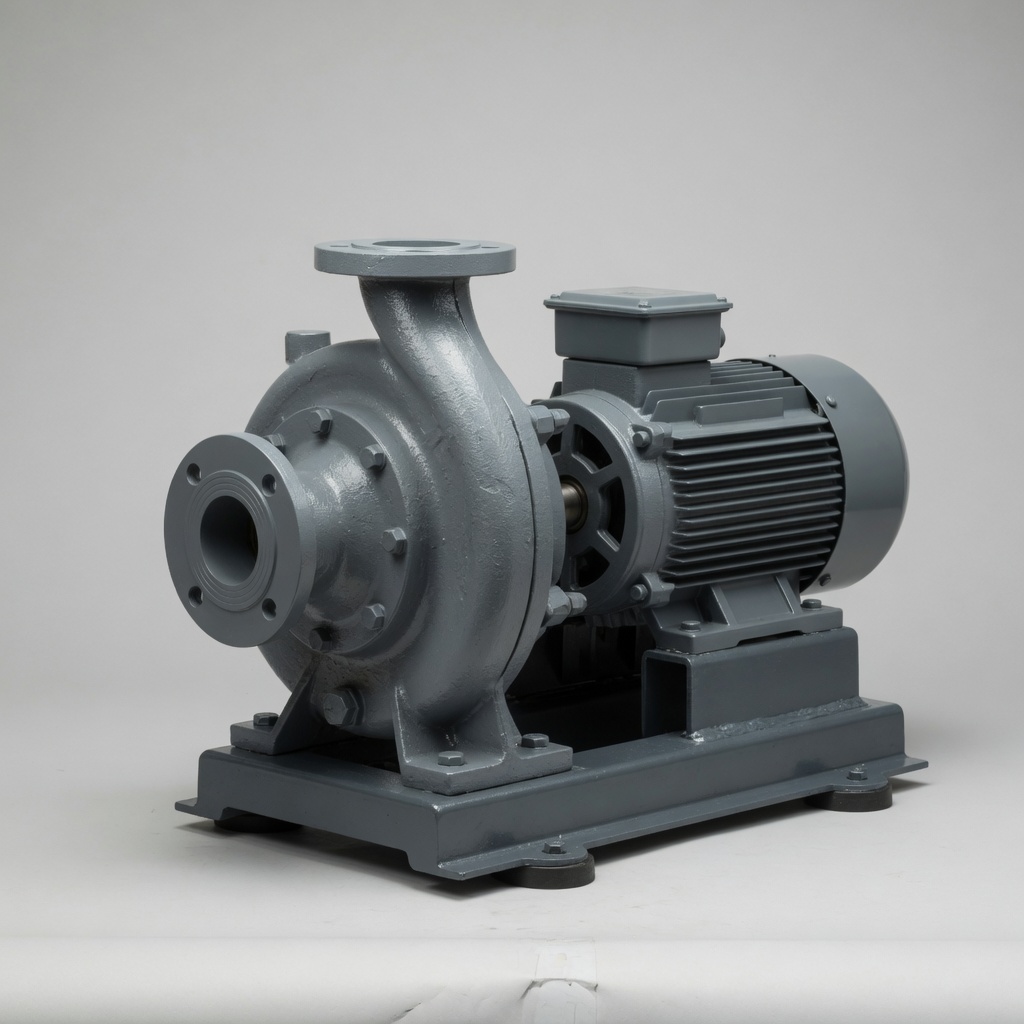
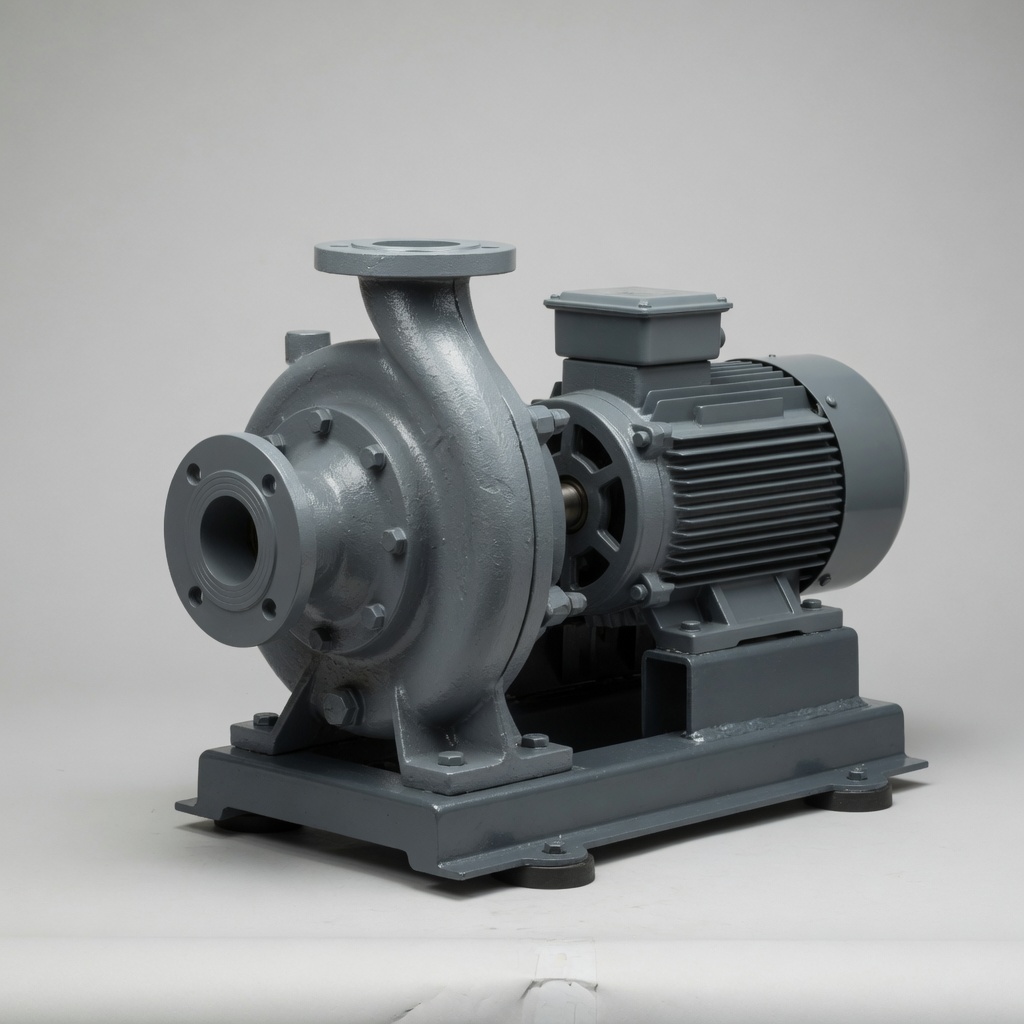
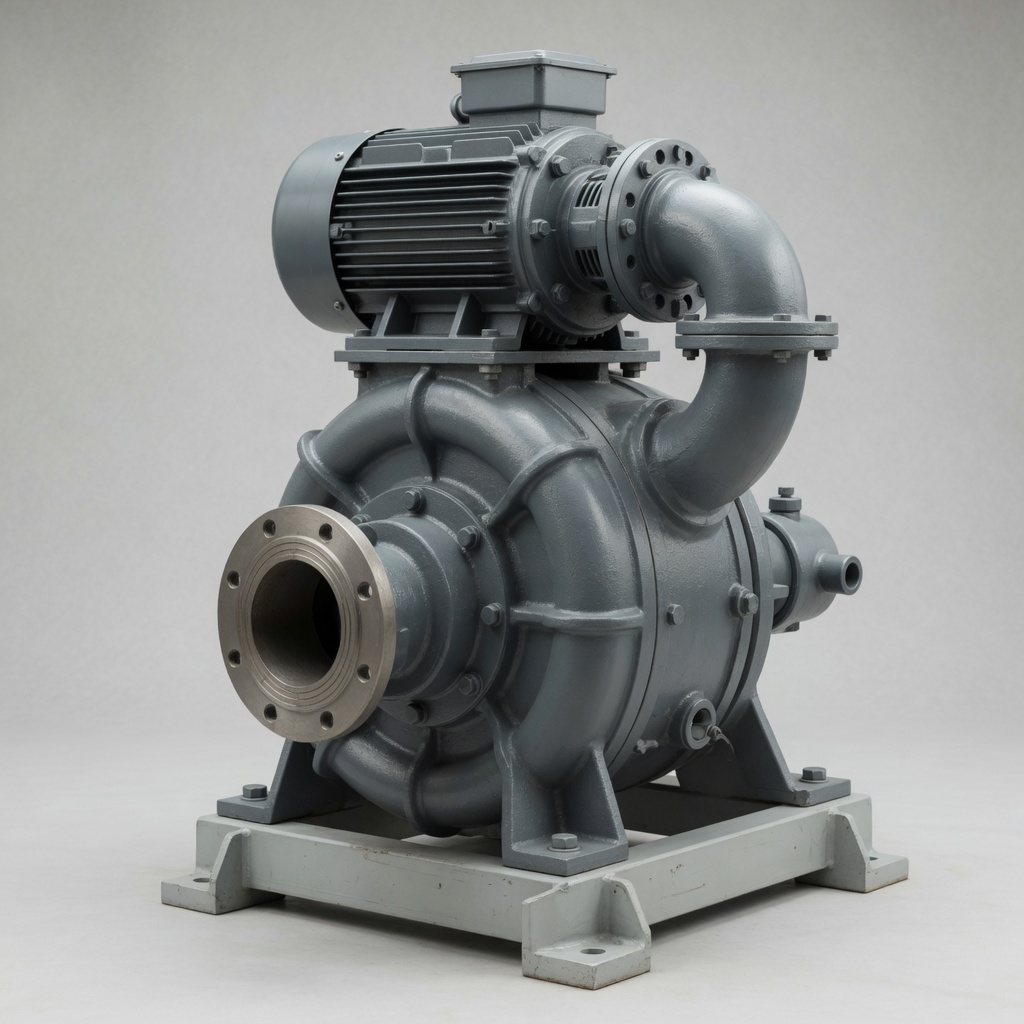
What the catalog covers
The catalog lists an end-suction centrifugal transfer pump, a multistage high-head pump for pressure boost, and a self-priming pump with quoted suction lift. It does not list a submersible deep-well pump, a jet or ejector assembly, a pressure tank or a control box, so well duty is quoted to the duty sheet. Surface and booster duty is closest to the transfer line.
Two ways to buy
OEM and private label
Building a water-supply range under your own brand? Start from a duty sheet. See Custom OEM for options and the private-label hub for housing, label and packaging.
Wholesale supply
Buying in crate lots for distribution or installation? The wholesale hub covers lots and spares. MOQ is quoted by SKU, not as a site-wide number.
Well pump FAQ
Do you sell well pumps to consumers?
No. This is OEM and wholesale supply for brands, distributors and contractors, with no cart and no public price. Send a duty sheet on the inquiry form.
Submersible or jet?
A submersible suits deeper wells and is quiet and efficient at depth. A jet unit stays above ground and suits shallow lifts. See the jet pump guide for suction limits.
What data do you need to size it?
Well depth, static and dynamic water level, tested yield, casing diameter, required flow and total head. Water quality and voltage help too.
What is the difference between 2-wire and 3-wire?
A 2-wire motor has its starting parts inside and needs no control box. A 3-wire motor uses an above-ground control box that can be serviced without pulling the pump.
Why does my pump cycle quickly?
The usual causes are a waterlogged tank with low pre-charge, a small tank, a leaking check valve or a switch set with a narrow gap. Check the tank first.
Which catalog pumps suit water supply?
The centrifugal, high-head and self-priming pumps are on the transfer line. None is a dedicated deep-well or jet pump, and duty is quoted by SKU.
Can you private-label these or supply them wholesale?
Yes. OEM and private-label work is quoted from a duty sheet, and lots are quoted by SKU. See private label and wholesale.
Precisa de orçamento de fábrica de bombas?
Envie fluido, folha de serviço ou SKU, volume e país. Resposta típica em 24 h úteis.