
FlowForge
Pompa diafragma: jenis, material, dan pasokan OEM
Panduan pembeli: cara kerja pompa diafragma pneumatik dan dosing, material yang cocok untuk tiap fluida, dan kapan peristaltik lebih tepat. Penawaran dari lembar duty, tanpa harga satuan publik.
How a diaphragm pump works
One moving diaphragm, no shaft seal in the fluid path
A flexible diaphragm flexes back and forth in a pump chamber. On each stroke it draws fluid in through one check valve and pushes it out through another. Because the diaphragm separates the fluid from the drive, there is no rotating shaft seal in contact with the liquid.
Air-operated double-diaphragm (AODD)
Compressed air shifts two linked diaphragms back and forth, so there is no electric motor on the pump. Flow follows the air supply and discharge pressure is limited by it. AODD units are portable, self-priming, and can run dry without the damage a seal-based pump would suffer. Flow is pulsating, and air consumption is part of the running cost. See the AODD and diaphragm chemical SKUs.
Metering (dosing) diaphragm pump
A motor or solenoid drives a small diaphragm. Stroke length and stroke rate are adjustable, so the pump delivers a repeatable volume per stroke against line pressure — the usual choice for additive, pH, and biocide dosing. Catalog options sit on the dosing and metering line; the dosing pump guide compares the types.
Wet-end materials: diaphragm and pump body
PTFE diaphragm
Broad chemical resistance, which is why it is a common pick for aggressive acids, alkalis, and solvents. PTFE is stiff, so it is often paired with an elastomer back-up layer to give the diaphragm flex.
EPDM diaphragm
Good with water, many dilute acids and alkalis. It is not suited to oils and most hydrocarbon solvents.
Santoprene diaphragm
A thermoplastic elastomer with good flex life and abrasion resistance. A usual fit for water-based fluids, wastewater, and slurries with moderate chemistry.
PP and PVDF bodies
Polypropylene covers many acids and alkalis at moderate temperature. PVDF extends the chemical range and temperature limit and is a common step up for stronger chemistry. Aluminum and stainless steel bodies are used for solvents, paint, and general transfer.
Confirmed from your fluid list
Chemistry, concentration, temperature, and solids decide the final diaphragm, ball, seat, and body. We quote materials from the fluid list and do not publish unverified compatibility percentages. For wider chemical duty see the chemical and process line.
Where a diaphragm pump fits
Chemical transfer
Drum, tote, and tank transfer of corrosive or solvent fluids, with the wet end chosen from the fluid list.
Wastewater and sludge
AODD units pass solids up to the valve passage size and tolerate abrasive slurries better than many rotary pumps. For sewage duty see the sewage pump guide.
Slurries and viscous fluids
Large ball valves and a smooth flow path suit paint, adhesive, and particle-laden fluids. Share viscosity and particle size on the RFQ.
Dosing and additive
Metering diaphragm pumps hold a set stroke volume against pressure. Compare with a peristaltic pump when the fluid is shear-sensitive.
Dry-run tolerance and self-priming
AODD pumps can run dry for a limited time without seal damage and lift fluid from below the pump. Dry-lift capability depends on the model.
Diaphragm pump vs peristaltic pump
Both are positive-displacement pumps and both pulse. Which one wins depends on the fluid and the job. Peristaltic is the core of this catalog — see the peristaltic pump hub and the peristaltic calibration guide.
| Topic | Diaphragm pump | Peristaltic pump |
|---|---|---|
| Media with solids | AODD passes solids up to the valve passage size and handles abrasives. Solids can hold a check valve open. | Only the tube touches the fluid, so it copes with slurries and particles that fit the tube bore. Abrasives wear the tube. |
| Self-priming | Self-priming; dry lift depends on model and diaphragm condition. | Self-priming and tolerant of dry running. |
| Pulsation | Noticeable pulsation, especially AODD. A pulsation dampener is common on the discharge. | Pulses with each roller pass. Smaller than AODD for most tube sizes, and a dampener can still help. |
| Maintenance parts | Diaphragms, check balls and seats, and on AODD the air valve. | The tube is the main wear part; rollers and the housing see less wear. Tube changes are usually quick. |
| Accuracy and dosing | Metering types give repeatable volume per stroke against pressure. AODD is for transfer, not dosing. | Flow tracks rpm for a given tube. Calibrate on a timed catch; tube wear and back-pressure shift the result. |
| Chemical compatibility | Set by diaphragm, ball, seat, and body materials — PTFE, EPDM, Santoprene, PP, PVDF. | Set by the tube polymer. Very aggressive chemicals can narrow the tube choice. |
| Pressure | Metering types handle higher discharge pressure; AODD is limited by air supply pressure. | Limited by the tube pressure rating. |
Diaphragm pump selection checklist
Send these fields on the inquiry form. The pump spec guide has the full RFQ brief.
Flow
Target flow, and whether duty is continuous or intermittent.
Head and pressure
Discharge head or pressure, suction lift, and line length.
Fluid
Chemistry, concentration, viscosity, and an SDS if you have one.
Temperature
Operating and peak temperature; it limits diaphragm and body choice.
Solids
Particle size and abrasiveness, because they set the valve and diaphragm choice.
Voltage or air supply
Motor or solenoid voltage and phase, or the compressed-air pressure and flow you have on site.
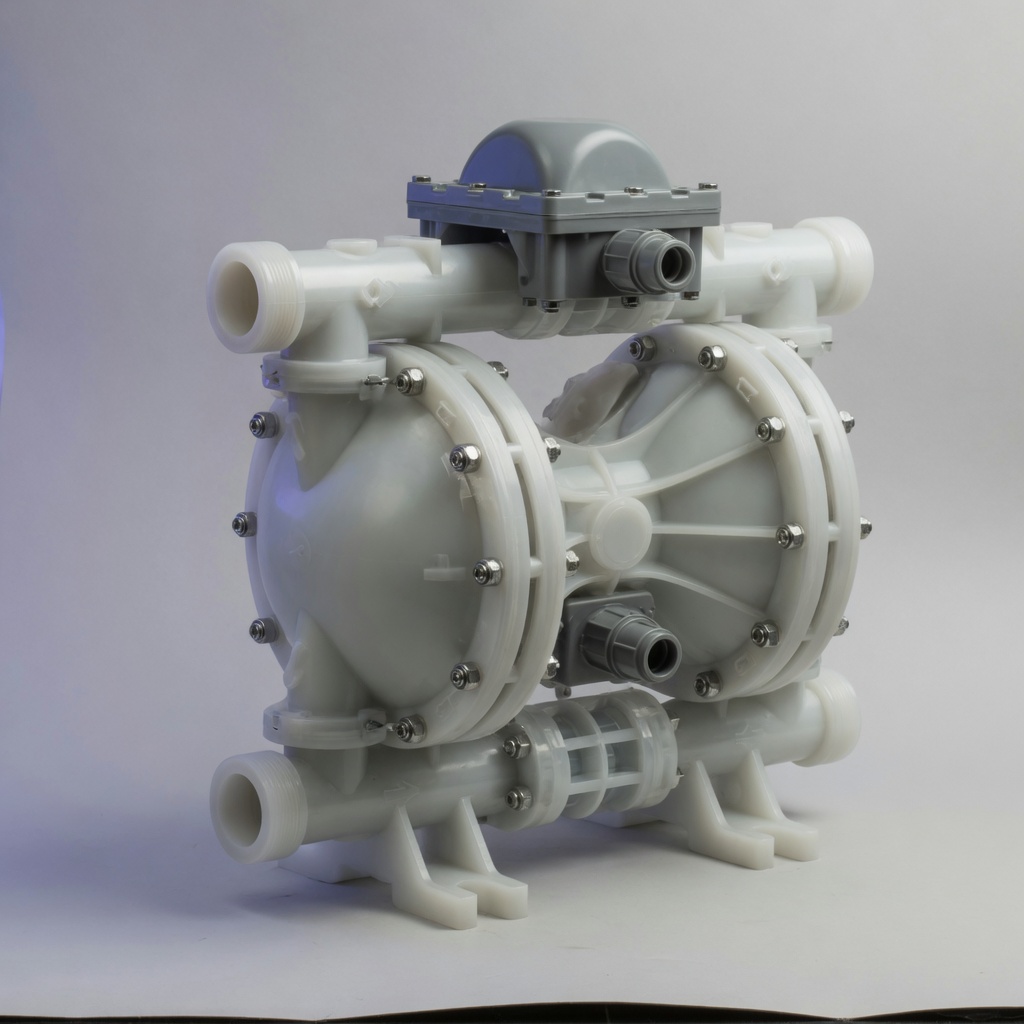
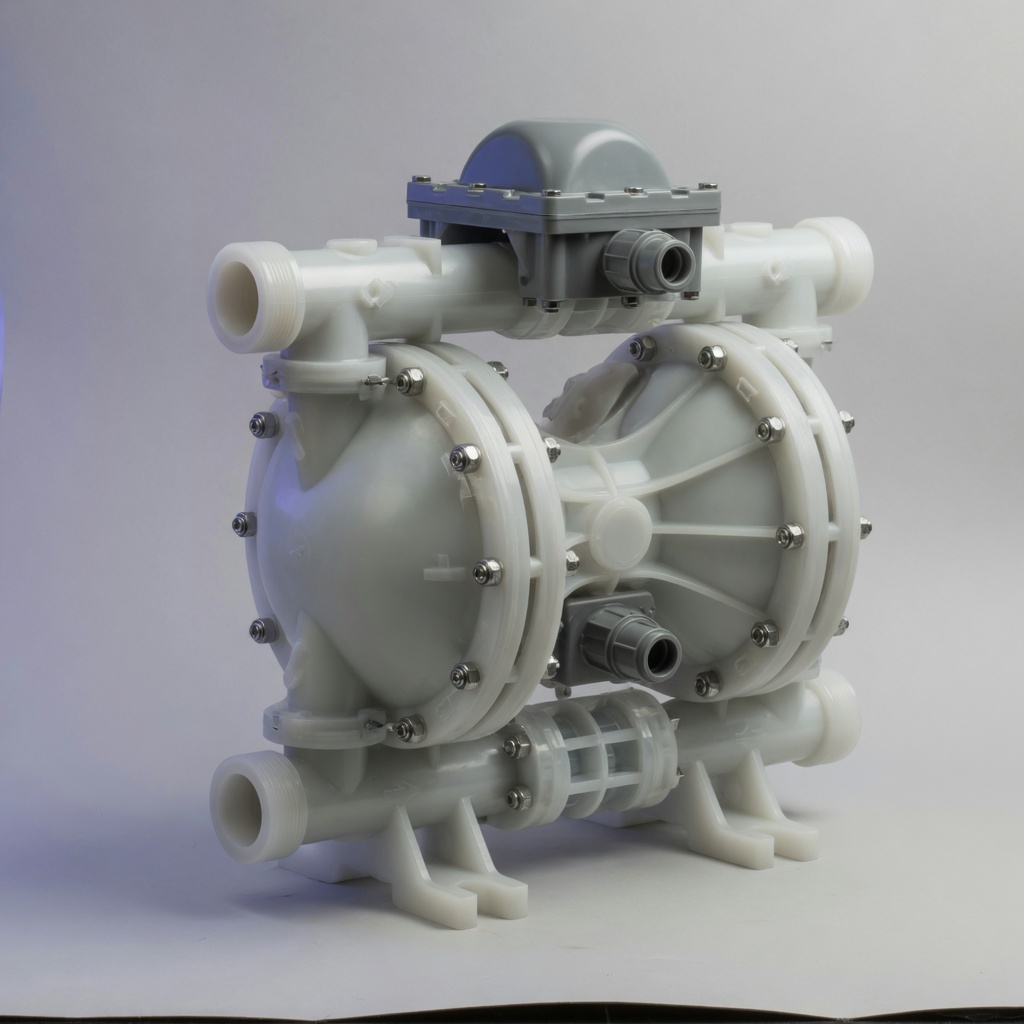
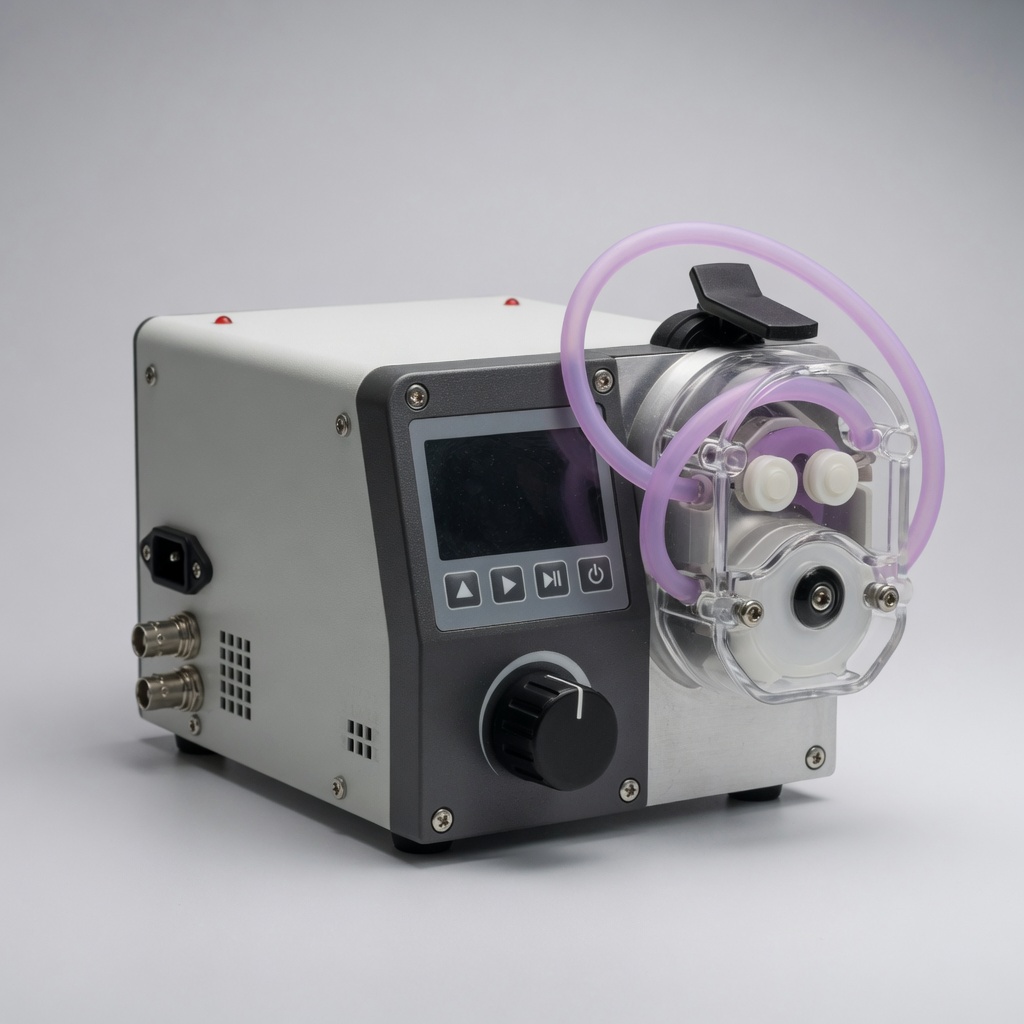
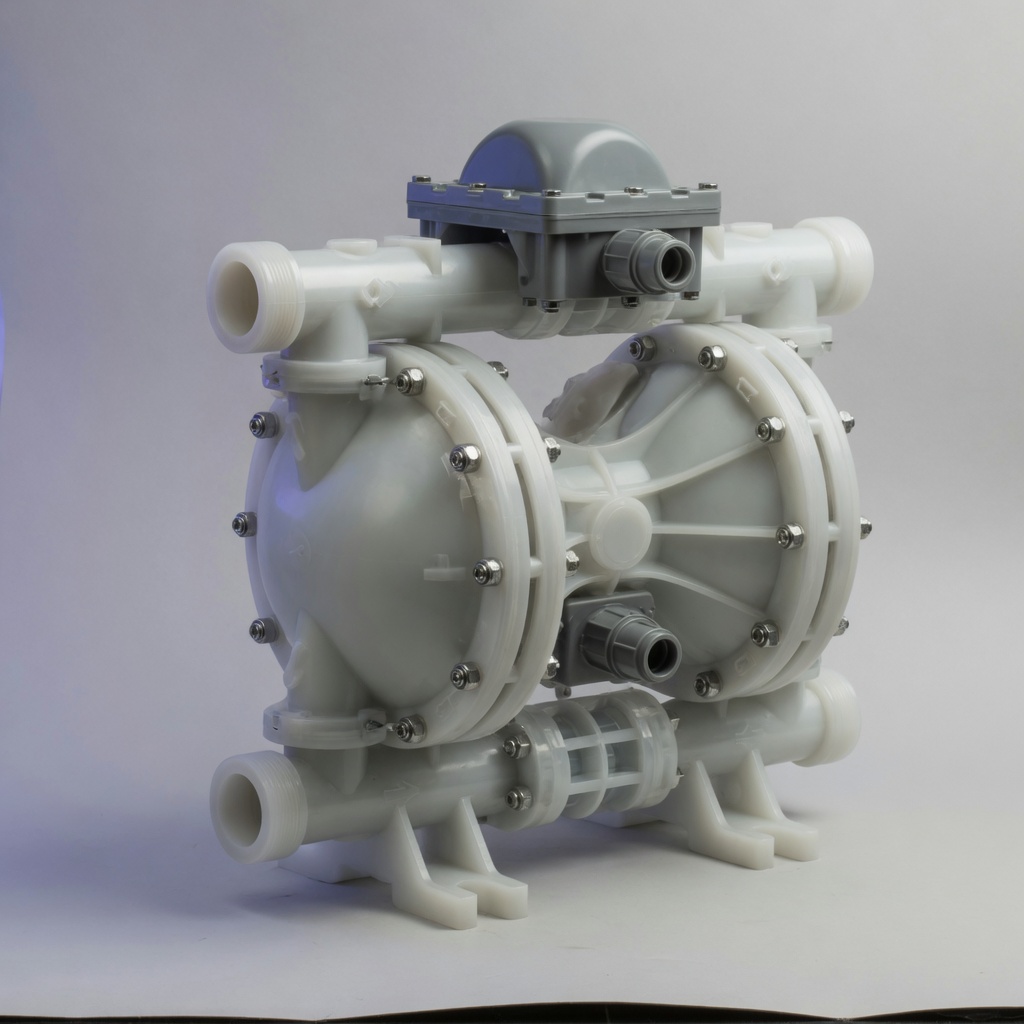
Diaphragm SKUs in the catalog
Studio reference images; quote and options follow your duty sheet.
Two ways to buy
OEM and private label
Need diaphragm pump OEM under your own brand or built to your drawing? Start from a duty sheet. See Custom OEM for options, the private-label hub for nameplate, housing color and packaging, and the chemical and process line for AODD and diaphragm SKUs.
Wholesale crate lots
Buying catalog diaphragm SKUs and spare diaphragm kits in lots? The wholesale hub covers crate lots and spares. MOQ is quoted by SKU, not as a site-wide number.
Diaphragm pump FAQ
What is the difference between an AODD and a metering diaphragm pump?
An AODD pump is driven by compressed air and is built for transfer of liquids, including those with solids. A metering diaphragm pump is driven by a motor or solenoid and delivers a small, adjustable, repeatable volume per stroke for dosing.
Can a diaphragm pump run dry?
AODD pumps can generally run dry for a limited time because there is no seal that depends on the fluid for lubrication. Prolonged dry running still stresses the diaphragms, so check the model data on your RFQ.
Which diaphragm material should I choose?
PTFE suits aggressive chemistry, EPDM suits water and many dilute acids and alkalis but not oils, and Santoprene suits water-based and abrasive fluids. The final choice comes from your fluid list, concentration, and temperature.
When is a peristaltic pump better than a diaphragm pump?
When the fluid is shear-sensitive, you want a fast tube change with only one wetted part, or you need to calibrate dose by speed. See the peristaltic pump hub on the dosing line. A diaphragm pump is often better for solids, higher pressure, and air-driven duty.
When is a progressive cavity pump better?
When you need steady, low-shear flow of viscous or abrasive media without the pulse of an AODD. See the progressive cavity pump page. A diaphragm pump still wins for air-driven portability, dry-run tolerance and chemical transfer with interchangeable wet ends.
Do you publish prices for diaphragm pumps?
No. Price depends on wet-end materials, size, drive, and volume, so we quote from a duty sheet. Send it on the inquiry form.
Can you private-label diaphragm pumps or supply them wholesale?
Yes. OEM and private-label work is quoted from a duty sheet, and catalog SKUs ship in crate lots. See private label and wholesale.
Butuh penawaran pabrik pompa?
Kirim fluida, duty sheet atau SKU, jumlah, dan negara. Biasanya dibalas dalam 24 jam kerja.