
FlowForge
Pompe de puits peu profond : aspiration, amorçage et pression
Une pompe de puits peu profond reste en surface et aspire l'eau, donc le niveau d'eau décide de ce qui convient. Cette page traite la limite d'aspiration, les options à éjecteur et centrifuge, l'amorçage et le clapet de pied, le réservoir et le pressostat, et le passage à une pompe de puits profond. Page d'approvisionnement, pas une boutique.
What counts as a shallow well
Water within reach of suction
A shallow well is one where the water is close enough for a surface pump to pull it up. A pump cannot lift water by suction beyond what atmospheric pressure allows, and the practical figure is lower. Past that point the job moves to a deep well pump or a deep-well jet. The whole well range is in the well pump guide.
Why the limit moves
Suction lift falls with altitude, warm water, a long or narrow suction pipe, extra bends and any air leak. Give the vertical distance from the pump to the lowest water level, not the well depth.
Jet or centrifugal for a shallow well
Shallow-well jet
The ejector is built into the pump, which draws through a single suction pipe. It handles a little more lift than a plain centrifugal and tolerates some air. The mechanism, priming and noise are covered on the jet pump page.
Self-priming centrifugal
A self-priming centrifugal holds water in its casing so it restarts without refilling. It is simple and efficient when the lift is small and the water is clean.
Standard centrifugal or booster
With flooded suction, such as a cistern above the pump, a plain centrifugal or booster pump is enough. No suction lift is involved.
When to change approach
If the dynamic water level drops near the suction limit, a surface pump will lose prime or deliver less. A submersible has no suction limit.
Shallow well jet pumps
The most common surface choice
For water within about 25 ft of the pump, a shallow well jet pump is the usual answer. Single-pipe vs convertible setups, the suction-lift figures and the RFQ checklist are on the shallow well jet pump section of the jet pump guide.
Priming, foot valve and suction pipe
Priming
Fill the casing and suction pipe before the first start. Any air leak at a union or a thread will stop the pump drawing. Use thread sealant and check all joints.
Foot valve and strainer
A foot valve at the bottom keeps the line full when the pump stops. A strainer keeps sand out. Keep both off the bottom of the well and check them each season.
Pipe size and route
Keep the suction pipe short, no smaller than the pump inlet, and rising steadily to the pump with no high points where air collects.
Sand and silt
Sand wears the impeller and ejector. Place the intake clear of the bottom and consider a screen. A well that pumps sand needs attention before the pump does.
Pressure tank, switch and protection
Tank and switch
A pressure tank and switch give steady pressure and limit starts per hour. Set the cut-in and cut-out pressures for the fixtures served. Pressure notes on the well page apply here.
Dry-run protection
A shallow well can run low in a dry spell. A low-water cut-out or pressure-loss shutdown saves the seal and impeller.
Pump house
A surface pump needs a dry, ventilated and frost-protected place close to the well. Allow for noise near living space.
Power
Single-phase or three-phase, voltage and frequency. Give the cable run from the supply to the pump.
Selection checklist for a shallow well
Send these fields on the inquiry form. The pump spec guide has the general RFQ brief.
Water level
Static and lowest dynamic level below the pump, and suction pipe length.
Flow and head
Flow at total head, including tank pressure.
Pump type
Shallow jet, self-priming centrifugal or booster.
Water quality
Sand, iron or acidity.
Supply
Voltage, phase, frequency and switch settings.
Branding and packaging
Private label, carton or crate lots and quantity.
Catalog SKUs closest to shallow-lift duty
Existing catalog pumps with studio reference images. Neither is described as a shallow-well or jet pump; suction lift, flow and head are quoted to your duty sheet.
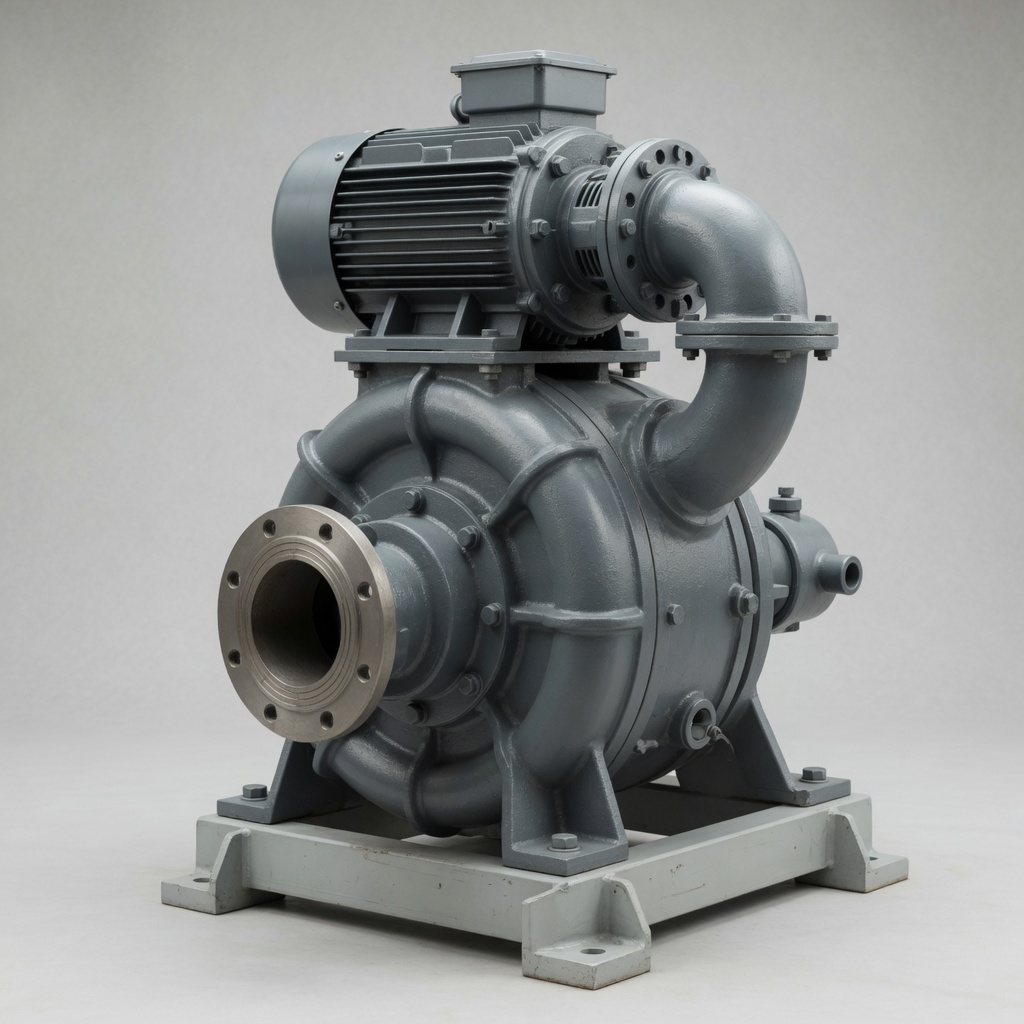
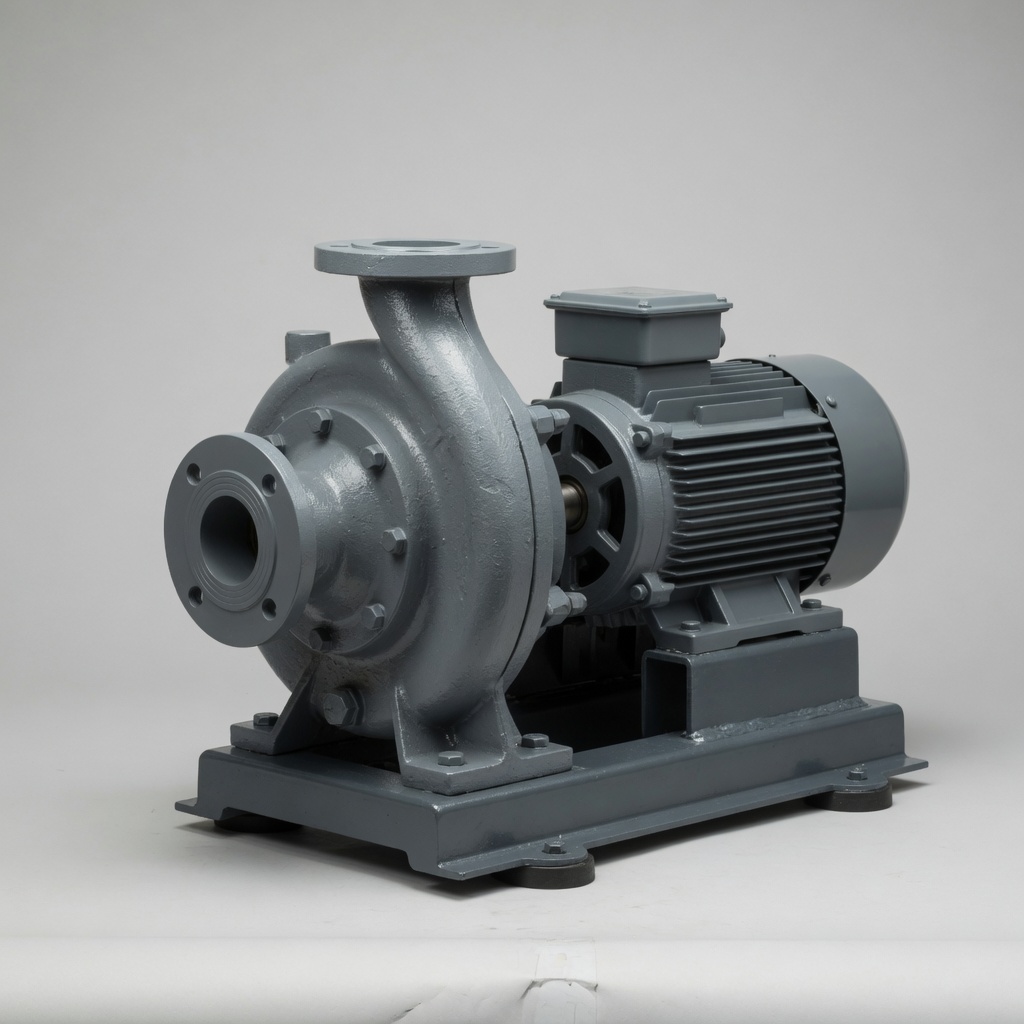
What the catalog covers
The catalog lists a self-priming pump with quoted suction lift and an end-suction centrifugal transfer pump. It does not list a jet assembly, a pressure tank or a pressure controller, so shallow-well duty is quoted to the duty sheet. See the transfer line.
Two ways to buy
OEM and private label
Building a shallow-well range under your own brand? Start from a duty sheet. See Custom OEM for options and the private-label hub for housing, label and packaging.
Wholesale supply
Buying in crate lots for distribution or installation? The wholesale hub covers lots and spares. MOQ is quoted by SKU, not as a site-wide number.
Shallow well FAQ
Do you sell to consumers?
No. This is OEM and wholesale supply for brands, distributors and contractors, with no cart and no public price. Send a duty sheet on the inquiry form.
How deep can a surface pump draw from?
Only a limited distance, because suction relies on atmospheric pressure, and it falls with altitude, heat and friction. Beyond that use a deep well pump. Quote the vertical distance to the water.
Shallow jet or centrifugal?
A shallow jet copes with a little more lift and some air. A self-priming centrifugal is simpler where the lift is small and the water is clean.
Why does the pump lose prime?
The usual causes are an air leak at a joint, a worn foot valve, a falling water level or a blocked strainer. Refill the casing and check each joint.
Which catalog pumps are closest?
The self-priming and centrifugal pumps on the transfer line. Neither is a jet or shallow-well pump.
Can you private-label these or supply them wholesale?
Yes, quoted from a duty sheet. See private label and wholesale.
Besoin d’un devis usine pompes ?
Envoyez fluide, fiche ou SKU, volume et pays. Réponse typique sous 24 h ouvrées.