
FlowForge
Pompe à éjecteur : puits peu profond, amorçage et aspiration
Une pompe à éjecteur se place en surface et utilise un éjecteur pour aspirer l'eau du puits. Ce guide explique les types pour puits peu profond ou profond, pourquoi l'aspiration est limitée, le rôle de l'amorçage et du clapet de pied, la place du réservoir et du pressostat, et quand préférer une immergée. Page d'approvisionnement, pas une boutique.
How a jet unit lifts water
A centrifugal pump with an ejector
Part of the pumped water is sent back down through an ejector (a nozzle and venturi). That fast jet creates low pressure that pulls more water up from the well. The main pump stays above ground. For the whole range of well options, start from the well pump guide; the application page for these is shallow well pumps.
Shallow-well and deep-well types
A shallow-well jet has the ejector built into the pump and a single suction pipe. A deep-well jet puts the ejector down the well and uses two pipes, one to drive the jet and one to carry water up. Convertible models can be set up either way.
Shallow well jet pumps
A shallow well jet pump keeps the pump and ejector at the surface and draws water up one suction pipe. It is the usual choice for dug wells, sand points and cisterns where the water stays close to the pump.
About 25 ft in practice
Atmospheric pressure sets a theoretical ceiling near 33 ft (about 10 m) of suction lift at sea level, and that ceiling drops with altitude (roughly 1 ft per 1,000 ft of elevation). Pipe friction, fittings, warm water and the pump's own suction needs take more off, so plan a shallow well jet pump for about 25 ft or less from the pump to the lowest pumping water level.
Single-pipe shallow setup
The ejector sits in or on the pump body and one suction pipe runs down to the water. Installation and service are simple because nothing but the pipe and foot valve is in the well.
Convertible and two-pipe deep-well ejectors
A convertible jet can run shallow with the built-in ejector, or deep with the ejector moved down the well on two pipes: a drive (pressure) pipe and a suction pipe. Packer-type versions run inside the casing. This extends reach well past suction lift, at lower efficiency. Deep settings are compared on the deep well pump page.
Priming and the foot valve or check valve
Fill the casing and suction pipe before the first start. A foot valve with a strainer at the bottom of the suction pipe, or a check valve in the line on a sand point, holds the column of water so the pump stays primed between cycles. All suction joints must be air-tight.
Pairing with a pressure tank
A shallow well jet pump nearly always runs with a pressure tank and a pressure switch, often mounted on the pump. Tank size and pre-charge set how often it cycles. Cut-in, cut-out and low-pressure cut-off are covered on the well pump pressure switch page.
When the water drops
Seasonal drawdown matters more than static level. If the pumping level can fall past about 25 ft, quote a convertible or deep-well setup, or a submersible, from the start.
Suction lift limits, priming and the foot valve
Suction lift is limited
A pump above ground can only pull water up as far as atmospheric pressure allows: near 33 ft at sea level in theory, about 25 ft in practice. It falls with altitude, warm water and friction in the pipe. For deeper levels the ejector must go down the well.
Priming
The pump casing and suction pipe must be filled with water before the first start. Air in the line stops the pump drawing. Check unions and fittings, because small air leaks are the usual cause of lost prime.
Foot valve and strainer
A foot valve at the bottom of the suction pipe holds water in the line so the pump stays primed. A strainer protects it from sand and debris. A worn valve lets the line drain.
Self-priming alternatives
Where the lift is small, a self-priming pump on the transfer line can restart without refilling the casing. Suction lift is quoted by SKU.
Pressure tank, switch, noise and efficiency
Tank and switch
A jet unit also needs a pressure tank and a pressure switch to deliver steady pressure. Tank size sets how often the pump starts. See the pressure switch page for settings.
Noise
The pump and ejector are above ground and make more noise than a submersible. Place the pump in a vented pump house or enclosure, away from living space.
Efficiency
Part of the flow circulates back to the ejector, so a jet unit uses more energy than a submersible for the same delivered water, and more as the well gets deeper.
Sand
Sand in the water wears the ejector nozzle and venturi. Keep the intake off the bottom and screen it.
When to choose a submersible instead
Deep static level
If the pumping level is past about 25 ft, a shallow well jet will not reach it. A two-pipe ejector can go deeper, but past a moderate depth a submersible stack is the more direct and efficient answer. See deep well pumps.
High flow or long runs
Where flow, pressure or efficiency matter more than surface access, compare a submersible water pump before settling on a jet.
Noise and space
No pump housing is needed above ground, and the pump is quiet.
No priming
A submersible sits in the water, so there is no priming and no foot valve to fail.
Not wastewater
If the liquid is not clean groundwater, see the sewage pump guide and the effluent pump page.
RFQ checklist for jet and shallow well jet pump duty
Send these fields on the inquiry form. The pump spec guide has the general RFQ brief.
Water level
Static and pumping level below the pump, seasonal drawdown, well depth and site altitude.
Well and pipe
Dug well, sand point or drilled casing; casing diameter; suction pipe length, size and fittings.
Valves and tank
Foot valve or check valve, strainer, pressure tank size and pre-charge, and whether the switch is pump-mounted.
Flow and head
Flow at total head, including tank pressure.
Type
Shallow-well, deep-well or convertible, and the pipe sizes.
Supply
Voltage, phase and frequency; pressure switch settings.
Water quality
Sand, iron or acidity.
Branding and packaging
Private label, carton or crate lots and quantity.
Catalog SKUs closest to surface water-supply duty
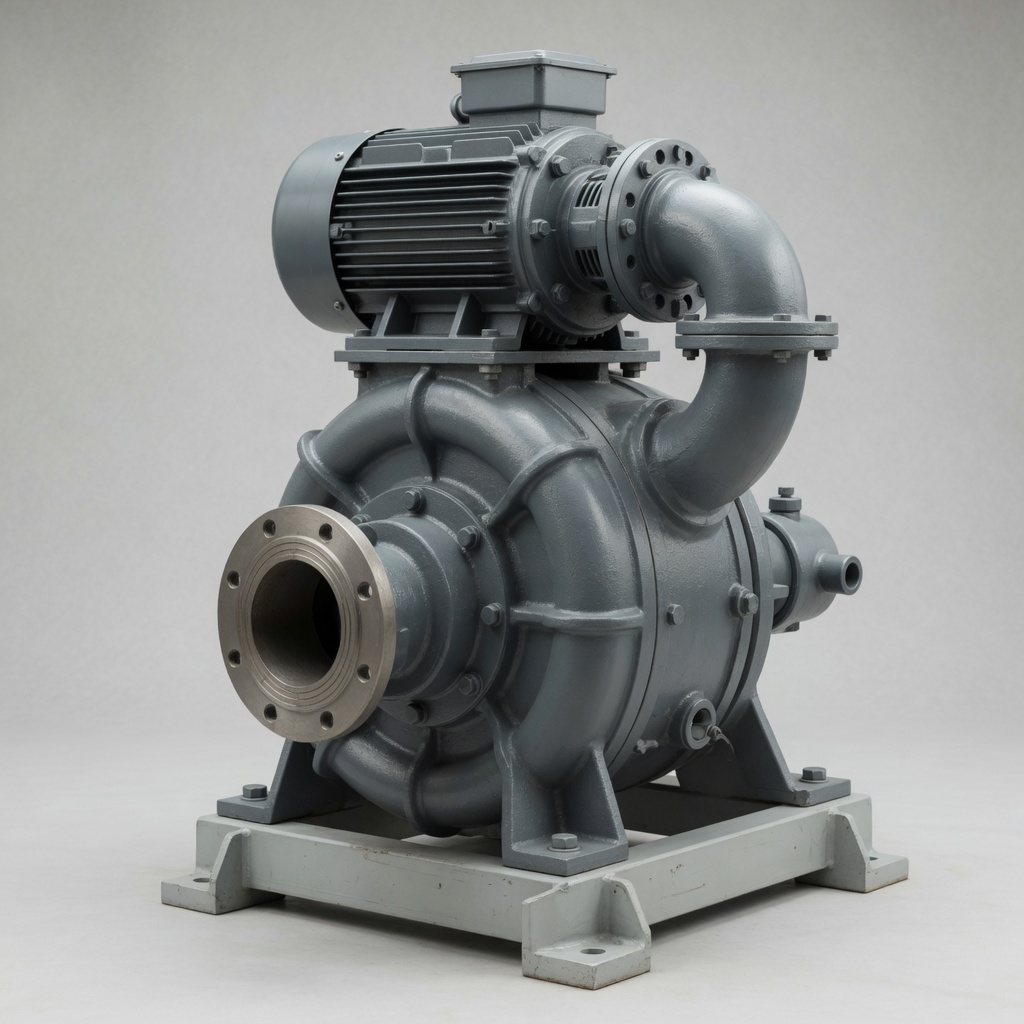
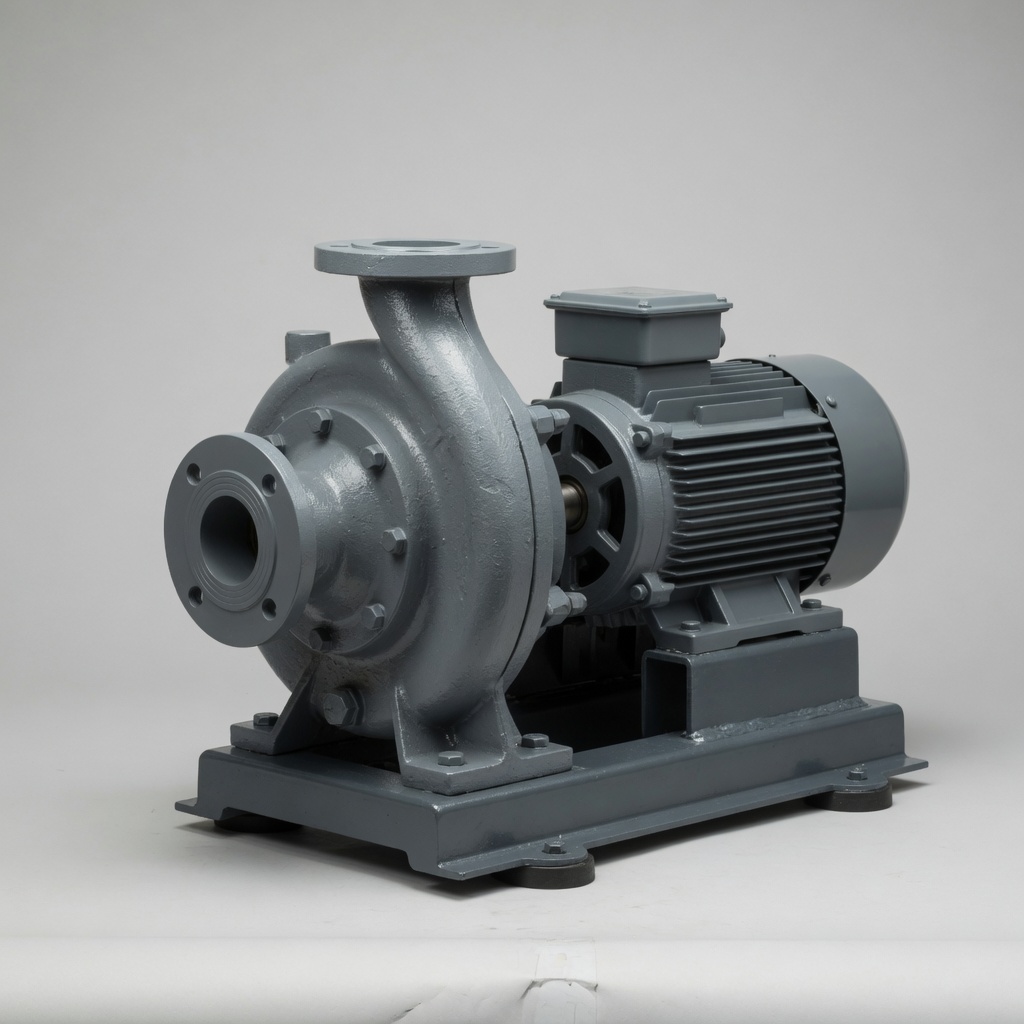
Existing catalog pumps with studio reference images. Neither is described as a jet pump or ejector set; flow, head and options are quoted to your duty sheet.
What the catalog covers
The catalog lists a self-priming pump with quoted suction lift and an end-suction centrifugal transfer pump. It does not list a jet or ejector assembly, so jet duty is quoted to the duty sheet. The general guide is on the well pump page.
Two ways to buy
OEM and private label
Building a jet or surface water range under your own brand? Start from a duty sheet. See Custom OEM for options and the private-label hub for housing, label and packaging.
Wholesale supply
Buying in crate lots for distribution or installation? The wholesale hub covers lots and spares. MOQ is quoted by SKU, not as a site-wide number.
Jet FAQ
Do you sell jet pumps to consumers?
No. This is OEM and wholesale supply for brands, distributors and contractors, with no cart and no public price. Send a duty sheet on the inquiry form.
Shallow-well vs convertible deep-well jet?
A shallow-well jet keeps the ejector in the pump and uses one suction pipe — simple, but limited by suction lift. A convertible (deep-well) jet puts the ejector down the well with two pipes so it can lift from a deeper level. Confirm water level against the shallow well pump page and the well pump guide.
How deep can a jet pump lift from?
A shallow-well unit is limited by suction lift: about 25 ft in practice, with a theoretical ceiling near 33 ft at sea level that falls with altitude and temperature. A deep-well setup puts the ejector in the well. For greater depth see the well pump guide.
What is a shallow well jet pump?
A surface pump with a built-in ejector that draws water up a single suction pipe. It suits water within about 25 ft of the pump, needs priming and a foot valve or check valve, and normally runs with a pressure tank and switch.
Can a shallow well jet pump be converted for a deeper well?
Only if it is a convertible model. Convertible jets move the ejector down the well on a two-pipe (or packer) setup. A dedicated shallow-well jet cannot. Quote the pumping level and casing size so the right ejector and pipe sizes are specified.
Why is the practical suction lift lower than 33 ft?
About 33 ft is the theoretical ceiling at sea level with perfect conditions. Altitude lowers it, and pipe friction, fittings, water temperature and the pump's own suction requirement take more, which is why about 25 ft is the working figure.
Why does it lose prime?
The usual causes are an air leak at a union, a worn foot valve, a dry casing or a level that has dropped below the intake. Refill the casing and check the suction line.
Are jet units noisy?
They are louder than a submersible because the pump and ejector run above ground. Mount the pump in an enclosure away from living areas.
Which catalog pumps are closest?
The self-priming and centrifugal pumps on the transfer line. Neither is a jet or ejector set, and duty is quoted by SKU.
Can you private-label these or supply them wholesale?
Yes, quoted from a duty sheet. See private label and wholesale.
Besoin d’un devis usine pompes ?
Envoyez fluide, fiche ou SKU, volume et pays. Réponse typique sous 24 h ouvrées.