
FlowForge
污水提升泵指南:集水坑与提升站工况
污水提升泵把原污水从地下室集水坑或小型提升站抬升到重力排污管或更高排水点。本 OEM 与批发指南说明集水坑尺寸、过流颗粒、浮球开关、止回阀与报警,以及与通用排污泵、潜水排污泵、粉碎泵和出水泵的区别。本页为供货说明,非零售商店。
What a sewage ejector pump is for
Lifting raw wastewater from below the sewer
When a bathroom, laundry or fixture sits below the building drain or street sewer, gravity cannot carry the waste away. An ejector pump in a sealed basin collects that wastewater and pumps it up into the gravity line. Typical jobs are basement bathroom additions, below-grade laundry rooms and small residential or light-commercial lift stations.
Basin and lift-station duty, not site dewatering
The fluid is raw sewage with solids and fibers, not muddy construction water. For muddy site water see the trash pump page. For the wider choice of sewage impeller types, start from the sewage pump guide.
How it differs from sewage, effluent, grinder and submersible sewage
Vs a general sewage pump
“Sewage pump” is the broad class. An ejector is the application form used in a sealed basin to lift waste up to a gravity sewer. Selection still uses solids passage, head and float control from the sewage pump guide.
Vs submersible sewage hardware
Most ejector pumps are submersible and sit in the basin. The submersible sewage pump page covers seals, cable entry, guide rails and duplex sets that also apply here.
Vs a grinder pump
A grinder cuts solids into a slurry for small-bore pressure sewer. An ejector usually uses a non-clog or vortex impeller and discharges into a larger gravity or house drain line. See the grinder pump page when the discharge is a pressure sewer.
Vs an effluent pump
An effluent pump handles the clearer liquid after solids settle (septic outlet, grey water). An ejector handles raw sewage with tissue and solids. Putting toilet waste through a small-passage effluent unit will block it — see the effluent pump page.
Ejector basin, float control, check valve and alarm
Basin size and sealed cover
The basin must hold enough volume between pump-off and pump-on so the motor does not short-cycle, and it needs a sealed cover with vents and a gas-tight lid where codes require it. State basin diameter and depth on the RFQ.
Float switches
A start float turns the pump on, a stop float turns it off, and a high-level float can drive an alarm. Give the float clear room to swing so it does not snag on the discharge pipe or the basin wall.
Check valve and union
A check valve on the discharge keeps the lifted column from falling back into the basin. A union above the valve lets you remove the pump for service without cutting pipe.
Head, flow and solids passage
Head is the static lift to the gravity connection plus friction in the discharge pipe. Flow should clear the basin in a reasonable run time. Free passage size must match the solids you expect — typically several centimetres for toilet waste.
Duplex and alarms
Busy or critical basins often use two pumps (duplex) so one can run while the other is serviced. A high-water alarm is common on residential and light-commercial installs.
Materials and seals
Cast iron and engineered plastics are common for residential ejectors; stainless suits more corrosive effluent. Confirm seal and elastomer materials against the fluid and temperature.
Selection checklist for ejector duty
Send these fields on the inquiry form. The pump spec guide has the general RFQ brief.
Fluid and solids
Raw sewage, largest solid, fibers or tissue present.
Basin
Diameter, depth, sealed cover, vent and whether duplex is required.
Flow and head
Flow, static lift to the gravity connection and discharge pipe length.
Control
Float arrangement, high-level alarm, single or duplex.
Supply
Voltage, phase, frequency and cable length.
Branding and packaging
Private label, carton or crate lots and quantity.
Catalog SKUs closest to ejector and in-basin duty
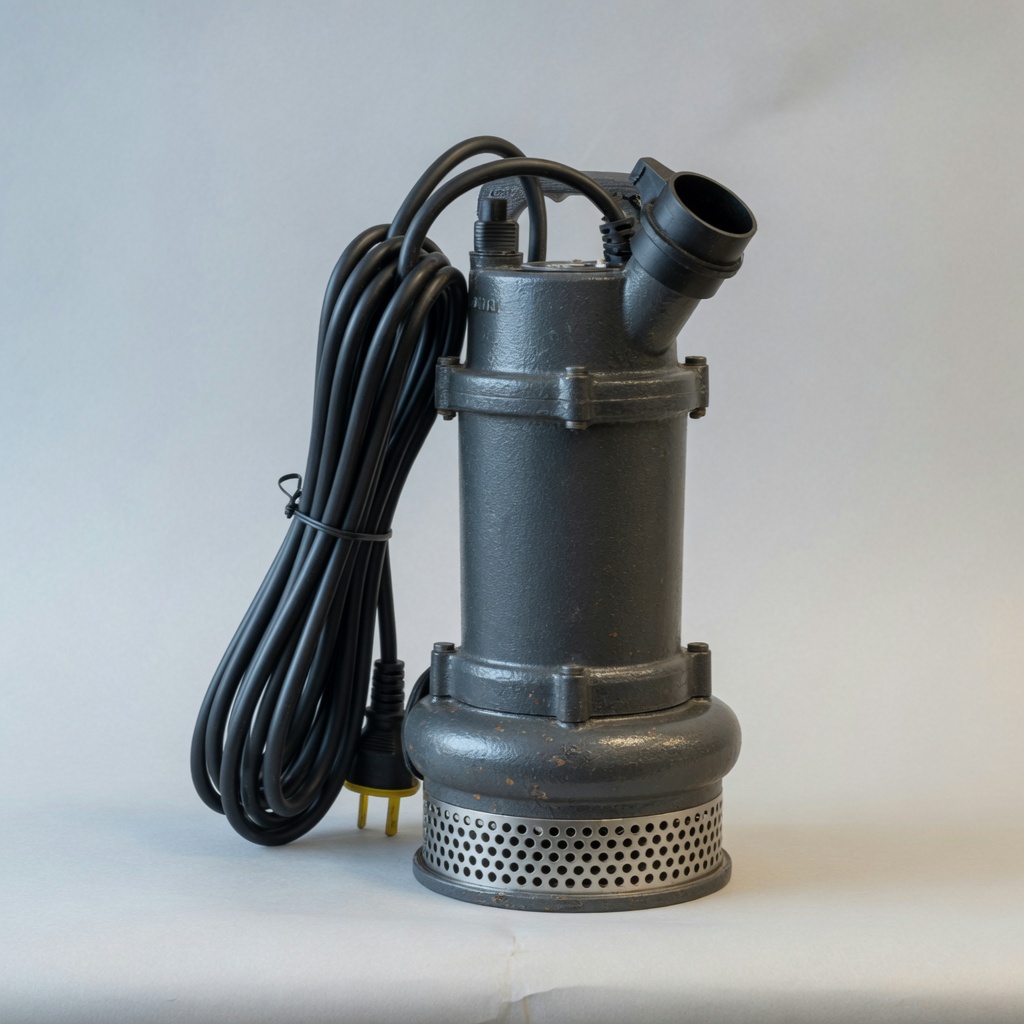
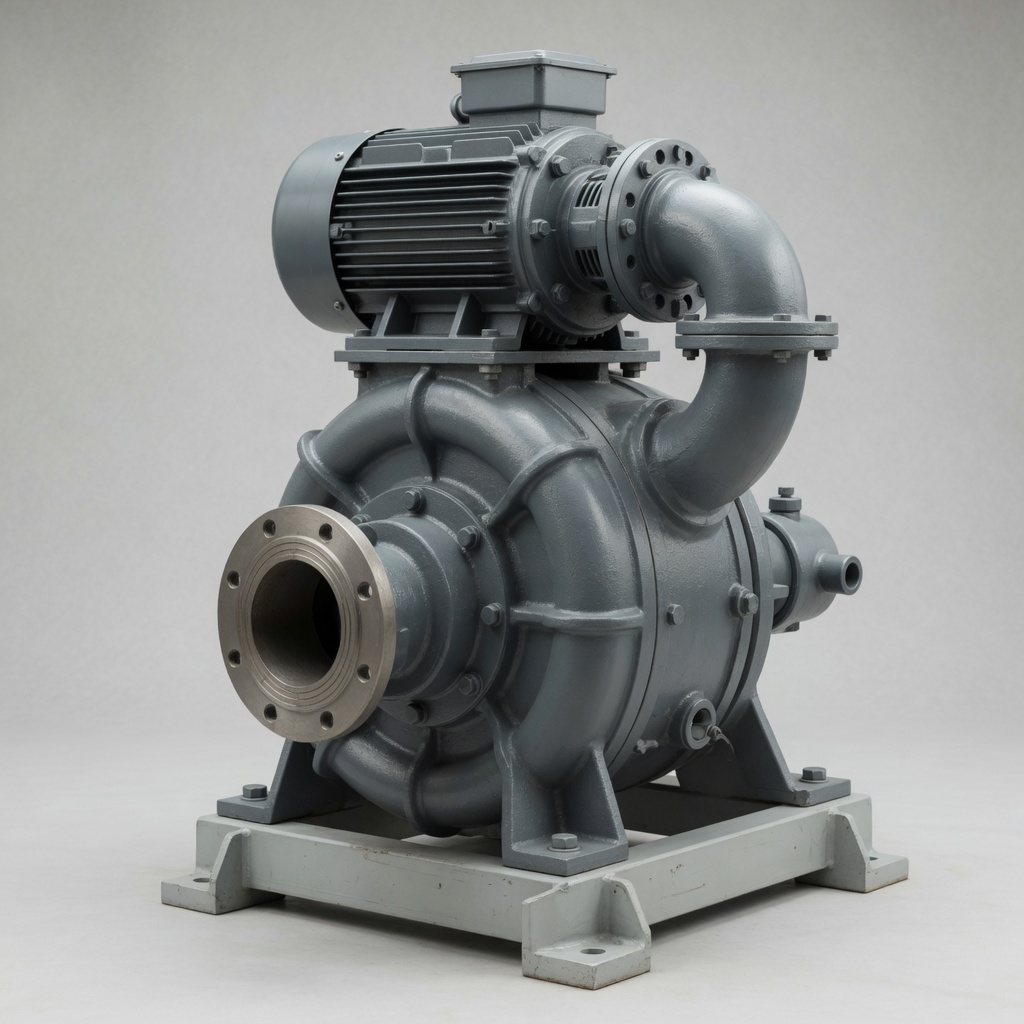
Existing catalog pumps with studio reference images. Neither is described as a dedicated sewage ejector; flow, head, solids size and options are quoted to your duty sheet.
What the catalog covers
The catalog lists a submersible drainage pump described for pits and light sewage and a self-priming pump for dirty water. Neither is described as a dedicated sewage ejector pump, so that duty is quoted to the duty sheet. The general guide is on the sewage pump page.
Two ways to buy
OEM and private label
Building a sewage ejector or lift-station range under your own brand? Start from a duty sheet. See Custom OEM for options and the private-label hub for housing, label and packaging.
Wholesale supply
Buying in crate lots for distribution or installation? The wholesale hub covers lots and spares. MOQ is quoted by SKU, not as a site-wide number.
Sewage ejector pump FAQ
Do you sell sewage ejector pumps to consumers?
No. This is OEM and wholesale supply for brands, distributors and contractors, with no cart and no public price. Send a duty sheet on the inquiry form.
What is the difference between a sewage ejector pump and a sewage pump?
An ejector is the basin / lift-station application of a sewage pump: it sits in a sealed pit and lifts raw wastewater up to a gravity sewer. The general selection rules are on the sewage pump guide.
Ejector, grinder or effluent?
Use an ejector for raw sewage into a gravity or house drain line. Use a grinder when solids must be cut for small-bore pressure sewer. Use an effluent pump only for clearer liquid after solids settle.
Does the catalog list a dedicated ejector pump?
No. The closest catalog SKUs are a submersible drainage pump and a self-priming dirty-water pump on the transfer line. Ejector duty is quoted to the duty sheet.
What basin data do you need?
Basin diameter and depth, static lift to the gravity connection, discharge pipe size and length, float and alarm needs, voltage, and whether the system is single or duplex.
Can you private-label these or supply them wholesale?
Yes. OEM and private-label work is quoted from a duty sheet, and lots are quoted by SKU. See private label and wholesale.
需要泵类工厂报价?
请提供介质、工况表或目录SKU、数量与目的国。工作日通常24小时内回复。