
FlowForge
Effluentpumpe für Klärgrube, Grauwasser und Sumpf
Effluent ist die klarere Flüssigkeit, die nach dem Absetzen der Feststoffe bleibt: Ablauf aus Klärgruben, Grauwasser und Entleerungswasser. Der Leitfaden zeigt, wo eine Effluentpumpe passt, warum sie nur kleine Feststoffe, aber mehr Förderhöhe liefern kann, wie Schwimmerschalter eingestellt werden und wie sie sich von einer Schmutzwasserpumpe unterscheidet. Dies ist eine Lieferseite, kein Shop.
What effluent is, and what the pump is for
The clearer liquid after solids settle
In a septic tank the solids sink and the scum floats, leaving a clearer liquid between them. That liquid is the effluent. Grey water from sinks and showers and water from drain-down or sumps are handled in a similar way.
A pump for small solids and more head
This type passes only small solids, so it is a different tool from a sewage pump. Because the liquid is cleaner, the pump can be built for more head at a given size, for example to lift effluent to a higher outlet or push it through a long line. For raw sewage and large solids, see the sewage pump guide.
Typical duties
Septic-tank effluent
Lifting effluent from a pump chamber to a leach field or a raised outlet when gravity will not do it.
Grey water
Moving laundry, shower and sink water to a drain, tank or irrigation system. Fibers and lint need an intake screen.
Sump and drain-down
Draining a basement sump, a tank or a pit of water with little solid matter.
Dewatering
Clearing standing water from trenches and excavations, where grit is the main concern. For sites with suction lift, see the self-priming transfer SKU.
How it differs from sewage duty
Solids passage
It has a small passage and an impeller built for clear to lightly dirty liquid. A sewage pump has a wide passage for raw solids. Putting sewage solids through a small-passage unit will block it.
Head
These units are often chosen when the liquid must go higher or further. State total head, because a small passage does not limit the lift.
Where the choice is unclear
If the fluid carries tissue, food waste or other raw solids, treat it as sewage. The submersible sewage pump page covers the in-sump hardware for that duty.
Gas and corrosion
Septic effluent can be corrosive and carry gas, so seals, elastomers and the housing must suit it. Confirm materials against the actual liquid.
Float switches, materials and installation
Float switches
A float switch starts the pump when the level rises and stops it when it falls. Tethered floats need room to swing without snagging on pipe or the tank wall. A separate high-level float can drive an alarm.
Intake and screens
An intake screen or filter keeps lint and grit out of the pump. A pump that sits in an effluent filter vault is often fitted this way.
Materials
Thermoplastic housings and stainless steel are common for corrosion resistance; cast iron is used for heavier duty. Choose by the liquid and temperature.
Supply and cable
Voltage, phase, frequency and cable length to the control panel. For a pump chamber, give the depth so the cable reaches.
Selection checklist for effluent duty
Send these fields on the inquiry form. The pump spec guide has the general RFQ brief.
Liquid and solids
Septic effluent, grey water or drain-down water; largest solid and any lint or grit.
Flow and head
Flow and total head, including pipe length and static lift.
Chamber or sump
Size, depth and whether it is a pump vault.
Control
Float or sensor, alarm, and single or duplex.
Supply
Voltage, phase, frequency and cable length.
Branding and packaging
Private label, carton or crate lots and quantity.
Catalog SKUs closest to effluent duty
Existing catalog pumps with studio reference images. Neither is described as a dedicated effluent unit; flow, head and options are quoted to your duty sheet.
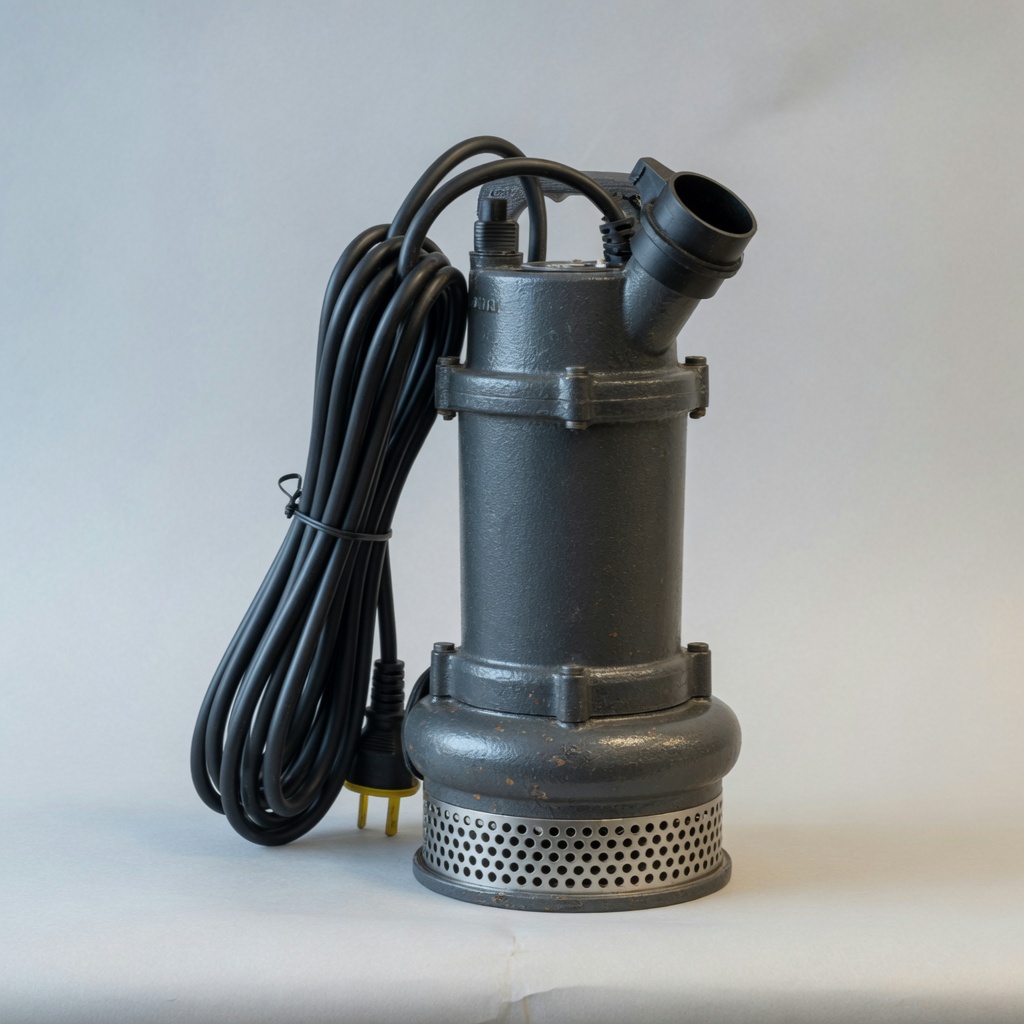
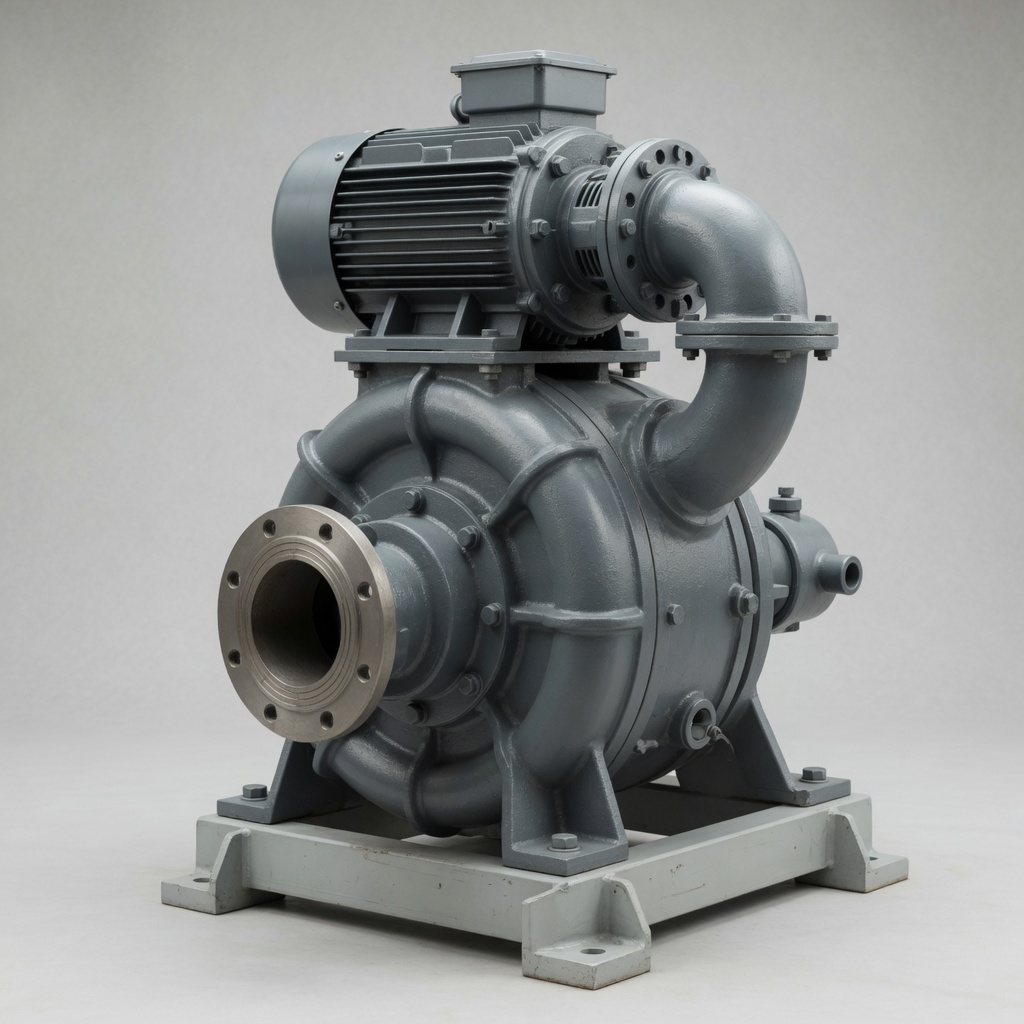
What the catalog covers
The catalog lists a submersible drainage pump described for pits and light sewage and a self-priming pump for dirty water. Neither is described as a dedicated effluent unit, so that duty is quoted to the duty sheet. The general guide is on the sewage pump page.
Two ways to buy
OEM and private label
Building an effluent pump range under your own brand? Start from a duty sheet. See Custom OEM for options and the private-label hub for housing, label and packaging.
Wholesale supply
Buying in crate lots for distribution or installation? The wholesale hub covers lots and spares. MOQ is quoted by SKU, not as a site-wide number.
Effluent FAQ
Do you sell effluent pumps to consumers?
No. This is OEM and wholesale supply for brands, distributors and contractors, with no cart and no public price. Send a duty sheet on the inquiry form.
What is the difference between an effluent pump and a sewage pump?
It passes only small solids and suits clearer liquid, so it can give more head at a given size. A sewage pump has a wide passage for raw solids. See the sewage pump guide.
Can an effluent pump handle toilet waste?
No. Raw solids and tissue can block a small passage. Use a sewage pump with a suitable impeller for that duty.
How is the float switch set?
Set the start level high enough to avoid short cycling and the stop level above the pump. Leave room for the float to swing freely, and add a separate high-level float for an alarm.
Which materials should I choose?
Thermoplastic or stainless steel housings resist corrosion well, and cast iron suits heavier duty. The right choice depends on the liquid, gas content and temperature.
Can you private-label these or supply them wholesale?
Yes. OEM and private-label work is quoted from a duty sheet, and lots are quoted by SKU. See private label and wholesale.
Fabrikangebot für Pumpen nötig?
Medium, Lastenheft oder SKU, Menge und Land senden. Typisch Antwort in 24 Werktagsstunden.