
FlowForge
مضخة الشوائب OEM وجملة للمواد الصلبة ونزح المواقع
توريد OEM وجملة لمضخات الشوائب لمياه موحلة ورملية تحمل أوراقًا وأغصانًا وحصى صغيرًا. تغطي الصفحة حجم المواد الصلبة، والتحضير الذاتي وارتفاع الشفط، ونزح مواقع الفيضان والعاصفة، ومحرك الاحتراق مقابل الكهربائي، وقطع التآكل — مع ملاحظات صادقة عن نطاق الكتالوج. العلامات والموزعون والمقاولون يرسلون ورقة خدمة. هذه صفحة توريد وليست متجر تجزئة.
What this pump class is for
OEM and wholesale for muddy site water
Brands, distributors and contractors buy this class for site water that carries sand, silt, leaves, twigs and small stones: excavation and trench dewatering, flood and storm site clean-up, pond and farm drain-down, and temporary bypass. A wide-passage impeller and a robust casing let that material pass instead of jamming the pump. Send a duty sheet on the inquiry form — this is OEM and wholesale supply, not a retail cart.
Flood, storm and site dewatering — not sewage
Flood and storm water on a construction site or yard is a common trash-pump duty when the water is muddy and debris-laden. That is still B2B site dewatering, not a retail emergency kit. Raw wastewater with tissue, rags and fibers is a different problem: see the sewage pump guide; septic and grey-water duty is on the effluent pump page. For clear basement rainwater with fine grit only, the utility pump page is usually enough.
Solids passage, self-priming and suction lift
Free passage size
This is the largest sphere that can pass through the pump. State it in mm or inches from the debris on site. A semi-trash unit passes smaller solids than a full trash unit, so size by the material you expect, not by the hose diameter.
Self-priming
A self-priming pump holds liquid in its casing and clears air from a dry suction line, so it can draw water up from a pit or trench. Fill the casing before the first start. It will not prime through a leaking hose or fitting.
Suction lift
Suction lift is limited, and it drops with altitude, hot liquid and friction in the suction line. Keep the pump close to the water, keep the suction line short and rising, and give the vertical lift in the request.
Hose and strainer
Use a reinforced suction hose that will not collapse, with airtight couplings. Fit a strainer with openings smaller than the pump passage so nothing arrives that the impeller cannot pass. Clean it often on muddy sites.
Engine-driven, electric and submersible
Engine-driven
Portable sets with a petrol or diesel engine suit sites without mains power. They need fuel and ventilation and are not for confined spaces. The catalog does not list an engine-driven set.
Electric, dry-mounted
A motor-driven self-priming pump is quiet, has no exhaust and suits yards, plant rooms and fixed sites with a supply. Give voltage, phase and frequency.
Submersible
A submersible unit sits in the water and needs no priming, which helps in a sump or a flooded pit. Cable, float and in-sump hardware are on the submersible sewage pump page.
Positive displacement alternatives
Thick slurry or heavy solids may suit an air-operated diaphragm pump better than a centrifugal impeller. It also tolerates running dry.
Wear parts, materials and dry running
Impeller and wear plate
Sand and grit erode the impeller vanes and the wear plate, and the gap between them grows. Pumping efficiency falls as clearance opens. Stock spare impellers and wear plates for sites that pump abrasive water.
Shaft seal
The mechanical seal faces need clean liquid or a lubricated chamber. Grit and heat damage them, and a leaking seal is the first sign of wear.
Materials
Cast iron is a common casing choice for abrasive water. Stainless steel or hardened parts suit more corrosive or wearing liquids. Say what the water contains.
Running dry
Do not assume the pump can run dry. Seals and bearings overheat without liquid. Check the duty, and ask about a seal arrangement if the pump may lose water for short periods.
Selection checklist for flood, storm and site dewatering
Send these fields on the inquiry form. The pump spec guide has the general RFQ brief.
Liquid and debris
Mud, sand, leaves or stones; largest solid and whether fibers are present.
Flow and head
Flow, total head, discharge hose length and static lift.
Suction lift
Vertical lift from the water to the pump, and suction hose length.
Drive
Engine, electric or submersible; voltage, phase and frequency.
Wear spares
Impeller, wear plate and seal spares for the expected hours.
Branding and packaging
Private label, carton or crate lots and quantity.
Catalog SKUs closest to site dewatering
Existing catalog pumps with studio reference images. Neither is described as a dedicated site-dewatering model; flow, head, solids size and options are quoted to your duty sheet.
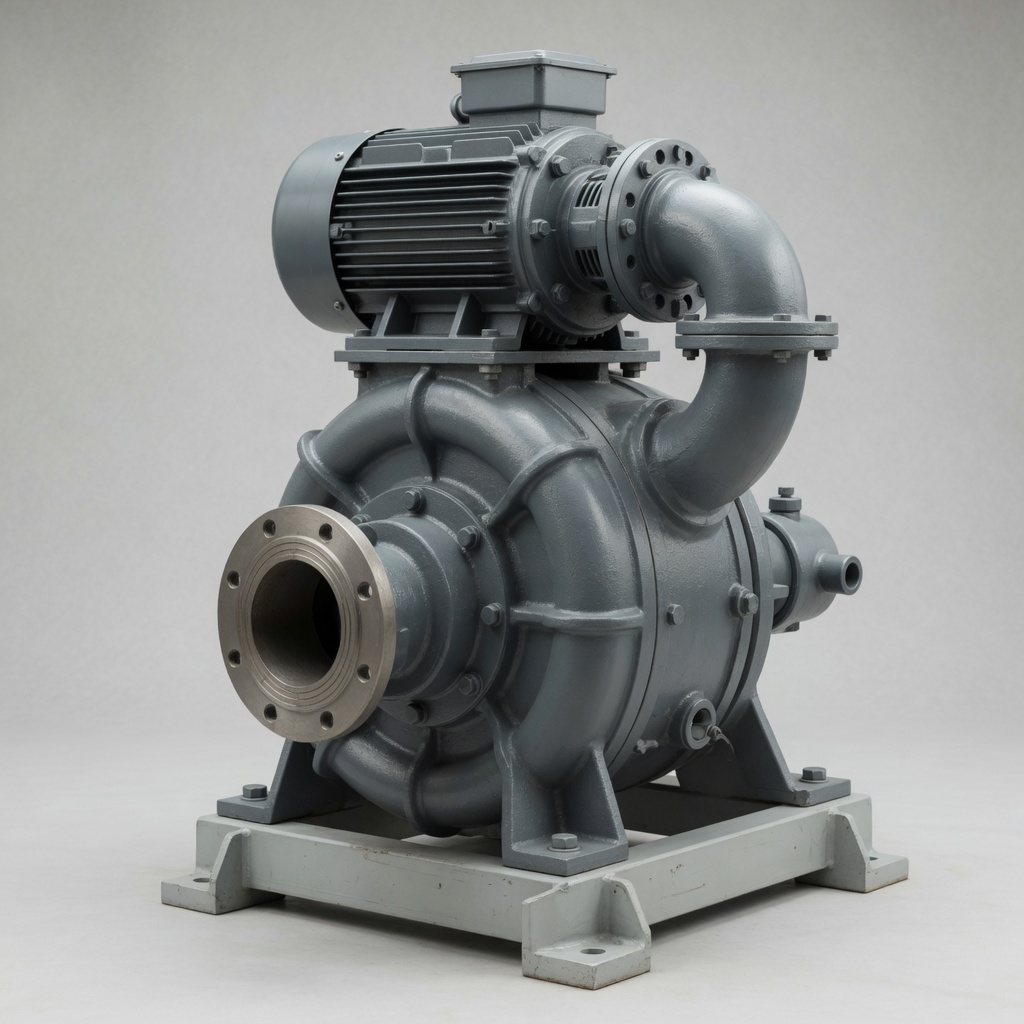
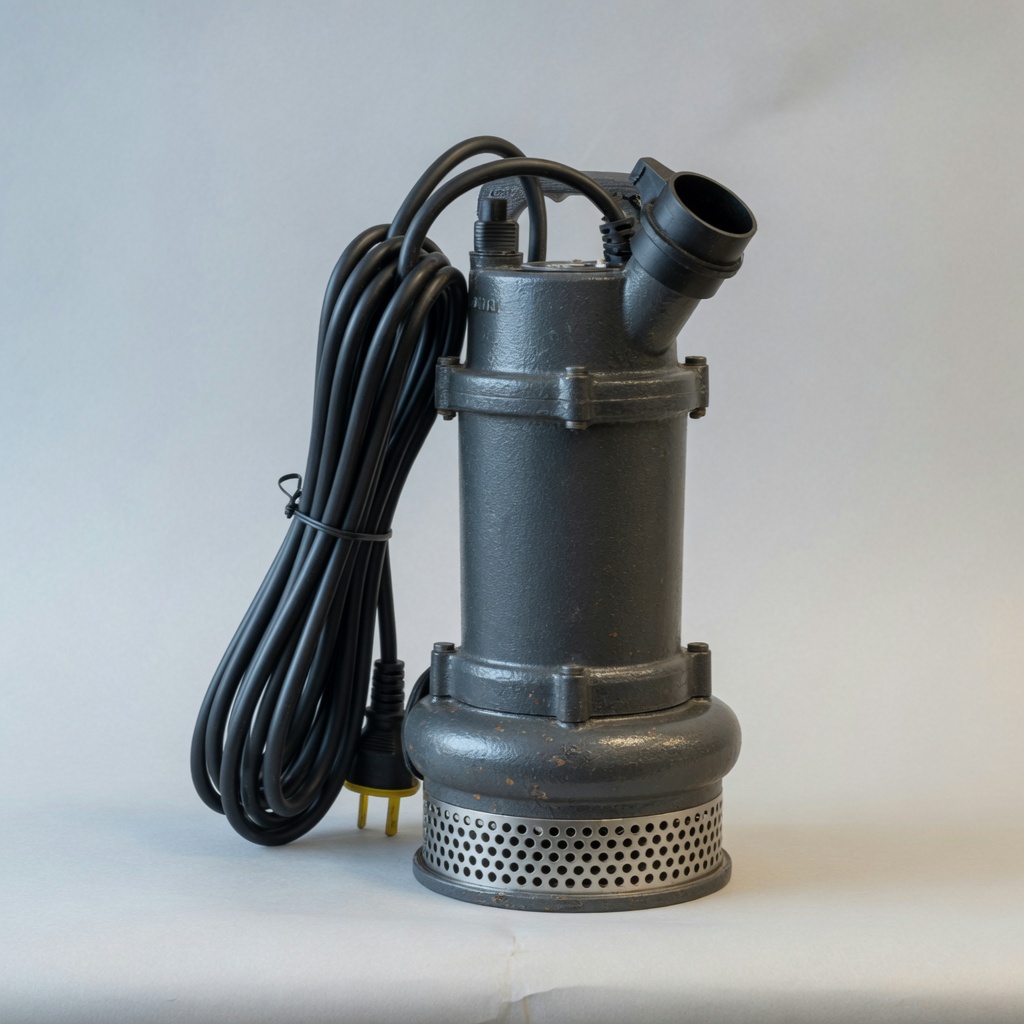
What the catalog covers
The catalog lists a self-priming pump for dirty water and a submersible drainage pump described for pits, construction water and light sewage. Neither is described as a dedicated semi-trash or trash unit, so flood, storm and site-dewatering duty is quoted to the duty sheet — we do not invent a trash SKU. The general wastewater guide is on the sewage pump page.
Two ways to buy
OEM and private label
Building a dewatering range under your own brand? Start from a duty sheet. See Custom OEM for options and the private-label hub for housing, label and packaging.
Wholesale supply
Buying in crate lots for distribution or installation? The wholesale hub covers lots and spares. MOQ is quoted by SKU, not as a site-wide number.
Trash FAQ
Do you sell these to consumers?
No. This is OEM and wholesale supply for brands, distributors and contractors, with no cart and no public price. Send a duty sheet on the inquiry form.
Trash pump vs utility pump?
A trash pump is built for muddy site water with leaves, twigs and small stones and a large free passage. A utility pump handles clear to slightly dirty water with fine grit only. If the water looks like construction slurry or flood debris, stay on this page.
Can a trash pump handle flood or storm site water?
Yes, when the job is B2B site dewatering: muddy flood or storm water on a yard, trench or construction site with sand, leaves and small stones. Quote flow, head, solids size and drive on the inquiry form. Clear basement rainwater with little debris usually suits a utility pump instead.
What is the difference between a trash pump and a sewage pump?
It is built for muddy, gritty site water with leaves and small stones, usually at higher flow and lower head. A sewage pump is for wastewater with fibers and tissue. See the sewage pump guide.
What does semi-trash mean?
It is a pump with a smaller solids passage than a full-size trash unit. It handles muddy water with fine debris. Confirm the passage size against what is actually in the water.
Why will my pump not prime?
The usual causes are an empty casing, an air leak in the suction hose or couplings, a clogged strainer or a lift beyond the pump limit. Fill the casing and shorten the suction line.
Which catalog pumps suit dewatering?
The self-priming and submersible drainage pumps are on the transfer line. Solids size and priming duty are quoted by SKU, and neither is a dedicated trash model.
Can you private-label these or supply them wholesale?
Yes. OEM and private-label work is quoted from a duty sheet, and lots are quoted by SKU. See private label and wholesale.
تحتاج عرض سعر مصنع للمضخات؟
أرسل السائل أو ورقة التشغيل أو SKU والكمية والبلد. الرد عادة خلال 24 ساعة عمل.